
What Makes Restaurant Content Actually Convert
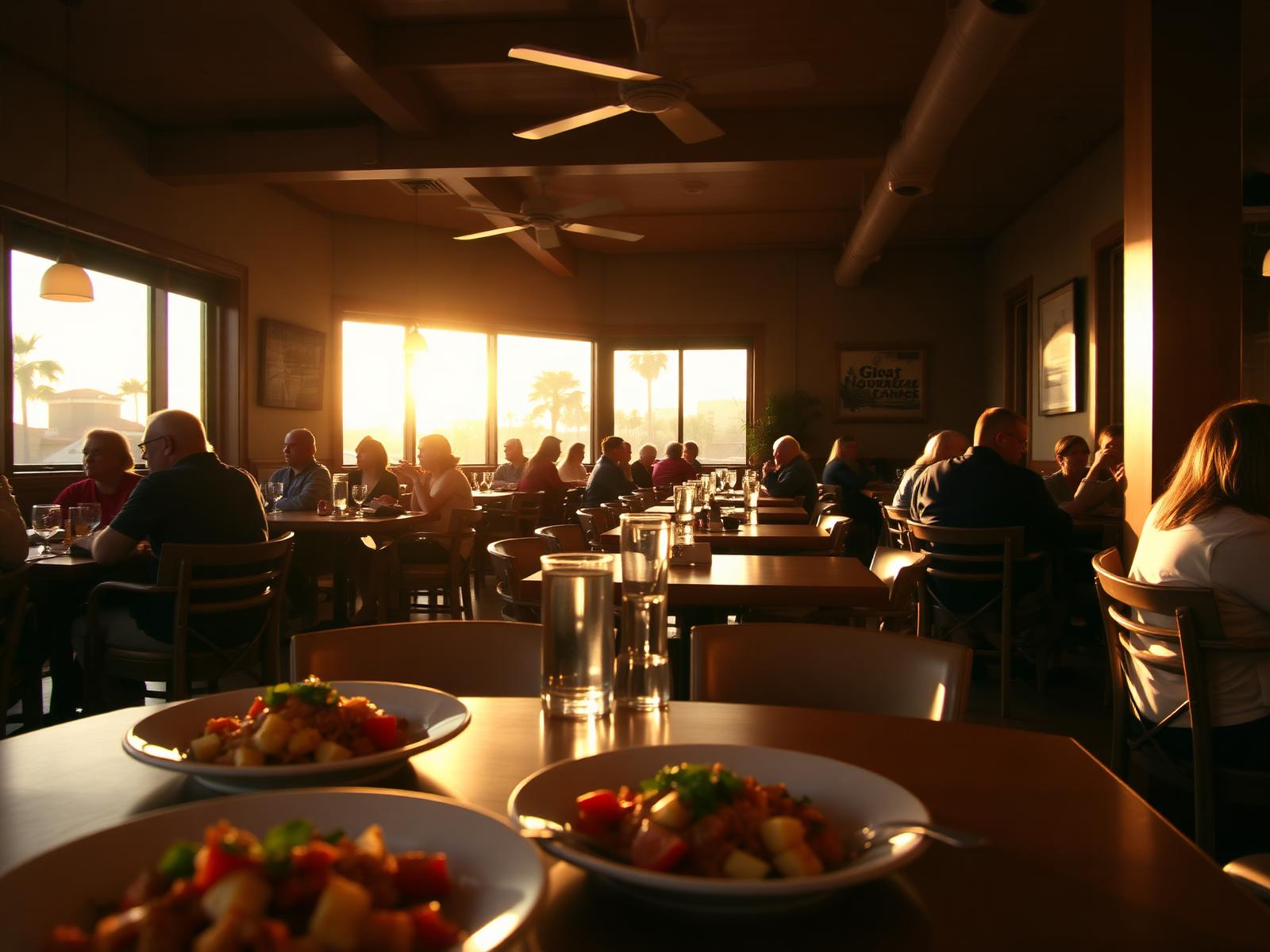
Every Jacksonville restaurant with a full dining room has the same thing in common: people can see exactly what they're getting before they ever walk in. Not from a menu description — from a photo, a reel, a close-up of a plate that made someone's stomach make the decision for them. Content is what turns a scroll into a reservation, and it's usually the highest-leverage piece of restaurant marketing, because it feeds everything else: your Instagram, your Google Business Profile, your website, even any ads you run later. Here's what actually makes restaurant content work — and what's just noise that fills a feed without filling tables.
Convert First, Look Nice Second
It's tempting to chase content that looks polished. But polish isn't what sells food — appetite is. The content that actually converts makes someone hungry within the first two seconds: steam rising off a plate, cheese pulling, a sauce being poured, a first bite mid-motion. If a photo or video doesn't trigger a physical reaction before someone reads a single word, it's not doing its job, no matter how well-lit it is.
Photography Basics Worth Getting Right
- Shoot near a window whenever possible — natural light beats a ring light for making food look like food, not like it's under interrogation
- Get close. A tight crop on the dish reads better on a phone screen than a wide shot of the whole table
- Capture the moment, not the still life — a pour, a garnish drop, a hand reaching in tells a story a static plate never will
- Shoot vertical as often as horizontal. Instagram Stories, Reels, and TikTok are all vertical-first, and a sideways crop looks amateur
- Batch-shoot during a quiet prep window when the light is good, so nobody's scrambling for content mid-Friday-rush
Video Basics for Restaurants
- Hook viewers in the first two seconds with the food, the sizzle, or the reveal — never a slow intro
- Keep it short. Fifteen to thirty seconds consistently outperforms a polished two-minute piece
- Add captions. Most people scroll with the sound off, whether they're at work or in a waiting room
- Show process, not just product — the flip, the plating, the pour. People engage more with how food is made than with the finished plate alone
- Favor a little raw and real over overly produced — a phone video shot in the moment often beats a studio piece that reads like an ad
The Content Mistakes That Quietly Kill Engagement
- Stock photography. Jacksonville diners can tell, and it erodes trust in a way that's hard to earn back
- Heavy filters that shift the food's real color — a blue-tinted burger doesn't look appetizing, it looks wrong
- Video with no hook, buried three seconds into a slow pan across an empty dining room
- Content that looks and feels like an ad instead of something a real guest would actually want to share
- Inconsistent posting — a strong week followed by a month of silence resets whatever momentum you built
Good restaurant content isn't about owning the fanciest camera in the kitchen — it's about capturing the food and the room the way a hungry local actually experiences them, often enough that people start to expect it from you. A simple rotation works better than reinventing the wheel every week: a dish highlight, a behind-the-counter moment, a staff or guest spotlight, a seasonal drop. At Curbside, content creation is one of the core ways we turn local buzz into lasting brands — real photography and video, shot and edited around what actually gets a Jacksonville diner to stop scrolling, pick up the phone, and book the table. If your content could be doing more for you, let's talk.